

Good morning Black Oystercatchers
My Learning Experience as an Intern for the Monterey Audubon Society
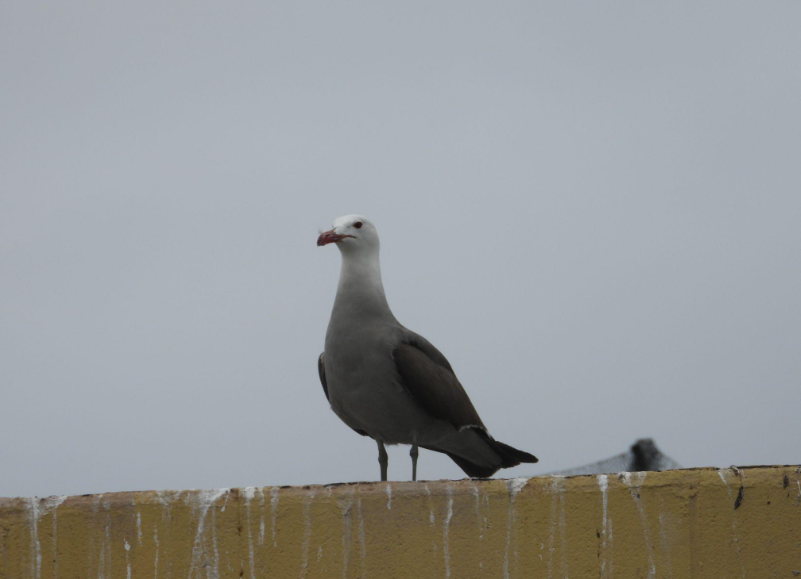
During my spring semester of 2026 at Monterey Peninsula College, I was at the STEM Center in the campus library when I found a unique opportunity to monitor a group of Black Oystercatchers through the Monterey Audubon Society (MAS). As someone who is majoring in earth science and striving to later major in atmospheric science, this learning experience came at the perfect time. Since 2011, the Monterey Audubon Society has been monitoring Black Oystercatchers across Monterey County, including areas like Point Lobos, Pebble Beach, and the Monterey Peninsula, with a focus on ensuring nesting and reproductive success and gathering more data to inform effective habitat protection. This includes Heermann’s Gulls, Western Snowy Plovers, and the Point Pinos Seawatch event, all with the hopes of helping them in the name of conservation. Through this internship, I’ve learned how to properly collect data on animals and their behavior and find out the distribution of species and any signs of range contractions due to environmental pressure caused by humans. Black Oystercatchers (BLOY) are unique and recognizable for their cries and bright orange beaks. Across the three territories I studied, I’ve found it entertaining to watch their territorial behavior and search for signs of nesting.
Black Oystercatchers are found within Alaska and rocky parts along the Pacific Ocean in areas such as Oregon and the north & southern parts of California. Their eyes are bright orange to go with their beaks. And while the irises in the male and female eyes can be the same, females can have black specks in their eyes to make themselves more distinguished from males. Their uniquely bright orange beaks are very strong for foraging foods like mussels, limpets, and sometimes crabs. Additionally, they may use their beak to toss rocks as the first stage of creating a nesting spot for eggs. Since 2011, the Monterey Audubon Society has made it its goal to monitor these birds in the hopes of finding out what allows them to nest and what issues may conflict with BLOYs nesting in order to further protect them from disturbances. This project data, collected by volunteer monitors, is used to better protect local birdlife from human disturbance. Below are three graphs that show the number of eggs and fledging successes within the territories that many other volunteers have collected data from 2019 to 2025. This data includes suspected egg sightings, with weekly notes on when each egg would hatch and what the chicks were doing as they were growing up, ready to spread their wings and fly; “fledge” is the best term to describe. I found the notes to be fascinating and well detailed, especially when there are mentions of interactions between the parents and the chicks.

Figure #1: Graph showing number of eggs and Fledging Success in 13th Street

Figure #2: Graph showing number of eggs and Fledging Success in Hopkins West

Figure #3: Graph showing number of eggs and Fledging Success in 3rd Street
Through my experience of monitoring thus far in the early morning, I see them leave their spots and begin going out to different rocks to forage or call for a mate. I use binoculars to look at BLOY pairs closely without interrupting them, as well as keep track of when they take flight when disturbed or when chasing down an interloper. In some cases, BLOYs would go behind rocks and need to be seen far away from a different point of view. The data from me and many others collected through sessions lasting at least an hour and a half is used to check for behavior, nesting activity, number of eggs, and fledging success. Some challenges that arose from monitoring sessions include BLOY interlopers disturbing a pair from their activities, high tide waves, or interruption from drones and humans.
Drones are often used for commercial use, camera tests, or leisure time but are a rising cause of BLOYs being disturbed. People climbing on rocks where BLOYs are normally seen foraging, tossing rocks, or resting are disruptive to them. Fortunately, MAS has taken steps to prevent this from happening by establishing ropes that cannot be crossed for climbing and laws that prohibit drones on rocky shores. Along with observing BLOYs, after monitoring them, I would begin to put my data into a spreadsheet along with other monitoring volunteers and observe their findings within the same day. The behaviors of BLOYs, the weather, and additional notes written down for each log are noted to determine how they’re geographically distributed, how breeding success is determined by climate, and how my data-collecting skills can improve. These skills that I’ve developed will be beneficial and refined as I record data on storms and the impact it has on wildlife as they find a way to get through natural disasters.
As nesting season will soon come to an end, I found this experience to be influential and beneficial as my point of view on bird wildlife has changed. Watching them adapt to different conditions such as wind and waves has helped me be aware of how they are affected during storms or climate change. As someone who strives to be an atmospheric science major, this will make me aware of what kind of wildlife is affected or harmed during an atmospheric river or wildfire. It has been an honor and privilege to work with the Monterey Audubon Society this nesting season. When the next nesting season arrives, I’ll be sure to pay extra attention to these unique species of birds while walking across the Monterey Peninsula.
Braulio Beltran is an intern from Monterey Peninsula College


The Valhalla Vitality article about testosterone and mood changes offers an interesting perspective on a commonly discussed topic. It explains that mood and irritability are influenced by more than testosterone alone. Factors such as stress, sleep, individual sensitivity, and changes in hormone levels can all be relevant. I appreciate the balanced way the article presents the subject.
https://valhallavitality.com/blog/does-testosterone-make-you-angry-mood-changes-explained